
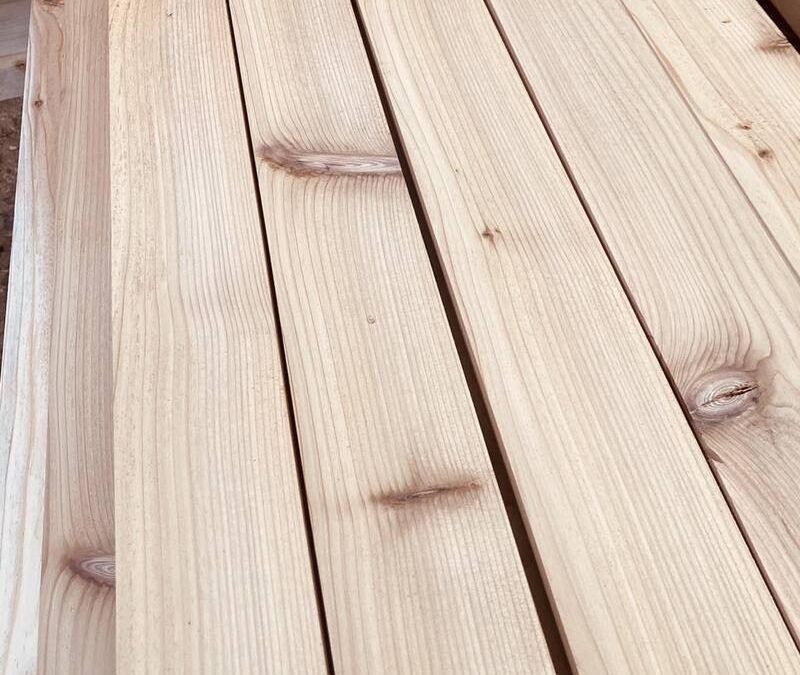
Have you ever wondered why timber changes shape months after installation?
Moisture content often holds the answer. Timber reacts constantly to its environment. Even after cutting, wood continues to absorb and release moisture. That movement affects strength, shape, and long-term performance. Many issues start early but appear later.
Understanding moisture behaviour helps prevent costly problems. This knowledge matters across construction and joinery projects. For anyone working with sawn timber in Dorset, moisture awareness proves especially important. Local humidity, rainfall, and seasonal changes influence timber movement.
With the right understanding, timber performs predictably over time.
Moisture Content in Sawn Timber: What To Know?
Moisture content describes how much water timber holds compared to its dry weight. Freshly cut timber holds high moisture levels. Over time, timber seeks balance with the surrounding air. Wood never stops responding to humidity. It absorbs moisture during damp conditions. It also releases moisture during dry periods. Moisture content always changes. Stability depends on how well timber matches its environment.
Dimensional Movement: Shrinkage, Swelling, and Warping
Moisture changes directly affect timber dimensions. As timber dries, it shrinks. When moisture increases, it swells. Movement occurs mainly across the grain. This behaviour explains many common timber defects, like:
- Cupping from uneven moisture loss
- Bowing caused by internal stress
- Twisting from grain variation
- Surface checking during rapid drying
Strength and Structural Behaviour Over Time
Moisture content also affects strength. Wet timber carries less load than dry timber. As moisture rises, stiffness reduces. Under load, deformation becomes more likely. Stable moisture levels support consistent performance. Dry, well-acclimatised timber holds shape better. Builders often overlook this factor when selecting sawn timber for framing or beams. However, moisture stability supports long-term safety and performance.
Moisture Content and Long-Term Durability
Excess moisture shortens timber lifespan. Damp conditions encourage biological activity. Fungi thrive when moisture stays high. Decay follows quickly. Several factors increase durability risks. Here are some of them:
- Poor ventilation around timber
- Ground contact without protection
- Trapped moisture behind finishes
- Repeated wetting without drying
Environmental Exposure and Service Conditions
Timber behaviour changes with location and use. Internal timber faces different conditions than external timber. Outdoor exposure increases moisture fluctuation. In the UK, seasonal humidity swings add pressure. Winter dampness raises moisture levels. Summer drying causes shrinkage. If you are using sawn timber in Dorset, you must also consider coastal air and rainfall patterns. Good design allows airflow and drainage.
Managing Moisture Content for Predictable Performance
Good handling practices protect timber quality. Moisture control starts before installation. It continues throughout the timber’s service life. The key steps to follow are:
- Storing timber off the ground
- Allowing acclimatisation on site
- Matching moisture levels to end use
- Avoiding rapid exposure changes
Moisture drives timber behaviour over time. When you understand that process, you gain control. Proper moisture management reduces movement, decay, and failure. For projects using sawn timber in Dorset, local conditions make this knowledge even more valuable. If you want dependable timber and expert guidance, Holme Sawmill offers quality materials and practical insight. Contact us now.