
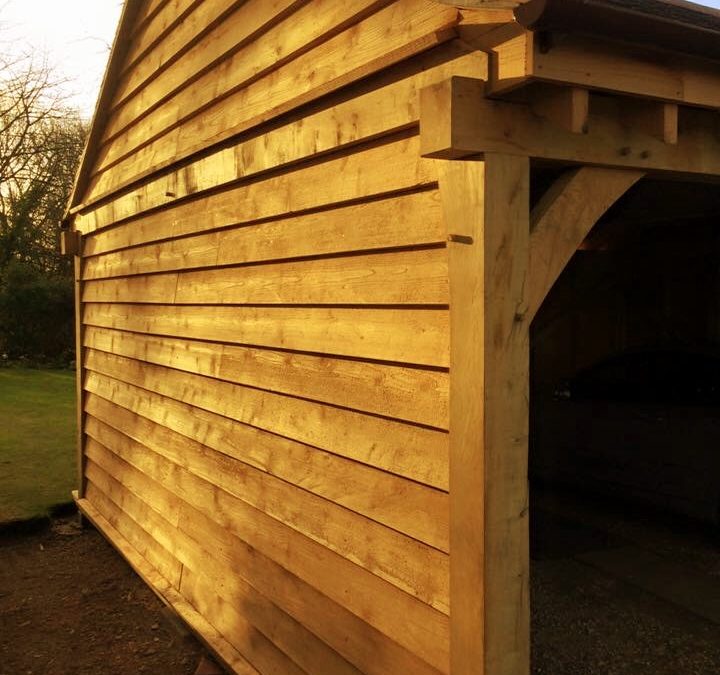
Timber cladding has gained immense popularity in recent years across residential and commercial buildings. It is preferred for its sustainability, comfort, warmth and architectural appeal. However, the exterior material used in the timber cladding requires special fire-safety considerations.
Timber behaves differently when exposed to fire; risks should be accounted for, and appropriate precautions implemented to keep the property safe, even in the event of a sudden fire breakout.
If you want timber cladding in Bournemouth, ask developers and designers to use the cladding safely and responsibly.
How does timber react to heat?
Timber is a combustible material; it reacts differently from synthetic alternatives. When exposed to fire, solid timber chars on the surface, forming a protective layer that slows combustion.
This charring process adds a protective layer that slows combustion. hence timber becomes a manageable material when designed properly. However, the risk arises when the cladding systems are improperly designed and inadequately treated. If there are no proper fire barriers, there is a risk of fire spreading. Compliance with fire regulations is thus essential.
How to make timber cladding fireproof?
Fire retardant treatments
One of the most effective ways to improve the performance and safety of timber cladding is to apply fire-retardant treatments. These treatments are applied on-site during manufacturing. These treatments help to reduce the flame spread. They also limit heat release and delay ignition.
Factory-applied treatments are generally more reliable and are particularly suitable for the exteriors of a timber-clad property. The professionals use a fire-retardant product which is certified and tested for long-term security.
Compliance with legal and safety standards
Timber cladding must abide by the building regulations that govern the fire safety norms. Regulations may require specific features and classifications for the property to ensure it is fully fire-safe. Thus, the builders need to check the building height, the building’s purpose, and its proximity to the boundaries. Professional developers should be familiar with the current standards and should install the entire cladding system accordingly.
Install cavity barrier and system designs
To stop the fire from spreading, the builders need to install cavity barriers behind the visible cladding boards. Installing these cavity barriers at the required intervals helps to keep the fire at bay. It also prevents vertical and horizontal flow of fire into the timber cladding. A well-designed cladding system considers aspects such as ventilation, moisture control, and fire protection.
Ongoing maintenance and inspection
Fire-treated timber cladding also requires regular inspection and maintenance. It prevents the property from weathering due to continuous UV exposure. To ensure fire safety in timber-clad properties, engage professionals to conduct periodic assessments to verify that all fire-retardant properties remain intact and that there have been no structural changes or compromises to the property’s safety features. Engaging qualified professionals for inspections will ease the process. They quickly identify risks and comply with all safety standards to ensure the property’s complete safety.
Get in touch with Holme Sawmill for beautiful timber cladding services. We specialise in Larch, Douglas Fir and Cedar cladding for Bournemouth. To explore our range of cladding profiles, check our website.